ஆங்கிலேயர் ஆட்சி எட்டாத இந்தியாவின் ஒரே மாநிலம் – வரலாற்றுச் சிறப்பு தகவல்!
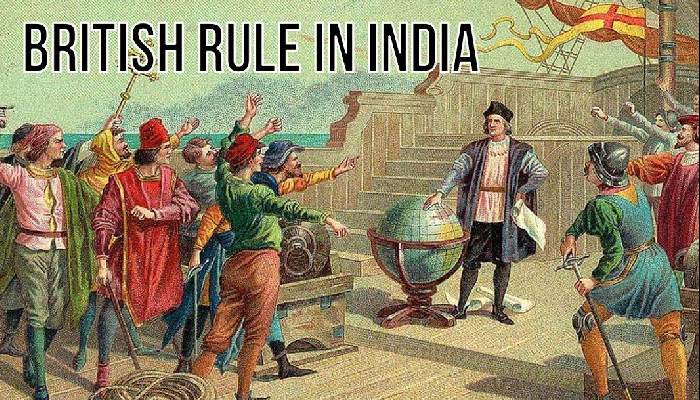
British Arrival in India and the Beginning of Colonial Control
In the year 1608, the British first arrived in Surat, marking the beginning of a long and complex chapter in Indian history. Initially, their intention was purely trade-oriented. They entered India as merchants, attracted by the country’s rich resources, spices, textiles, and traditional trade systems. India was globally admired for its culture, craftsmanship, and economic strength, making it a lucrative destination for European powers. Over time, trade slowly transformed into control, and commercial interests turned into political influence.
The British East India Company gradually expanded its presence across the Indian subcontinent. Using strategic alliances, administrative systems, and economic pressure, the British established dominance over large parts of India. Their rule, which lasted nearly 200 years, deeply influenced Indian society, economy, education, and governance. While infrastructure and administration evolved, the cost was heavy for Indian communities, traditions, and local industries. This period is remembered as one of significant transformation, struggle, and resistance. However, amid this widespread colonial expansion, one region remained outside British control, standing apart from the rest of British India.
Paragraph 2: British Colonial Rule and Its Impact on Indian Society
British colonial rule extended across most of the Indian subcontinent, reshaping the political and social landscape. During this period, many Indian regions experienced economic exploitation, cultural disruption, and social inequality. Traditional industries weakened, local rulers lost power, and Indian wealth was redirected to Britain. Despite resistance movements and regional uprisings, British authority continued to grow stronger through military strength and administrative control.
Yet, history reveals an interesting exception. While most princely states and regions eventually came under British influence either directly or indirectly, one state successfully remained outside their rule. This was not due to vast natural wealth or massive architectural dominance, but rather due to historical timing and foreign control by another European power. This region developed its own identity, governance style, and cultural blend, separate from British India. Even today, this difference is visible in its architecture, traditions, and social life. This unique historical path makes the state a fascinating subject in Indian colonial history.

Goa and the Portuguese Connection
The state that never came under British rule is Goa. Unlike many other Indian regions, Goa was controlled by the Portuguese, who arrived in India much earlier than the British. In 1498, Portuguese explorer Vasco da Gama discovered the sea route to India, opening the doors for Portuguese trade and territorial expansion. Soon after, the Portuguese established strong control over Goa, making it their most important colony in the Indian subcontinent.
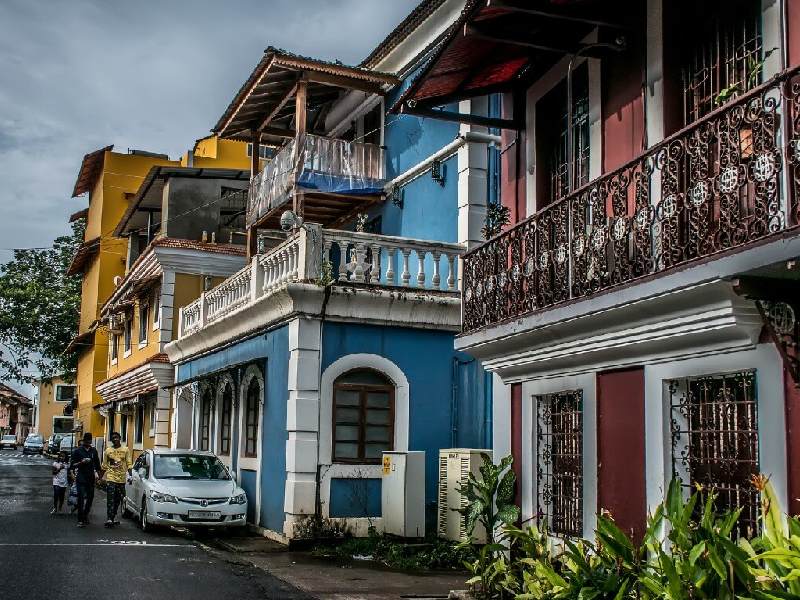
Because of this early occupation, Goa remained under Portuguese rule even as British power expanded elsewhere. Frequent conflicts and rivalries between the British and Portuguese prevented any smooth transfer of control. The Portuguese defended their territory firmly, ensuring that Goa stayed outside British administration. This resulted in Goa developing a unique Indo-Portuguese culture, reflected in its architecture, language influence, and traditions. While the rest of India experienced British systems of governance, Goa followed a completely different colonial path, shaped by Portuguese laws, religion, and lifestyle.
Paragraph 4: Goa’s Late Freedom and Its Unique Identity
Even after India gained independence in 1947, Goa continued to remain under Portuguese control. By that time, the Portuguese had ruled Goa for nearly 400 years, making it one of the longest European-ruled territories in India. While British rulers exited the country, Portugal refused to give up Goa, considering it an integral part of their overseas territory. This prolonged colonial rule delayed Goa’s integration into independent India.
Finally, in 1961, Goa attained freedom and became part of the Indian Union. This late liberation explains why Goa’s cultural identity feels distinct even today. Though it may not have vast monuments or ancient empires like other Indian states, Goa attracts tourists worldwide for its heritage, beaches, architecture, and multicultural atmosphere. Its history of never being ruled by the British adds to its uniqueness. Goa stands as a reminder that India’s colonial past was not uniform, and that different regions experienced history in very different ways.
Summary In English
The British arrived in India in 1608 and gradually ruled most of the subcontinent for nearly 200 years.
Despite widespread British control, Goa never came under British rule due to early Portuguese occupation.
The Portuguese ruled Goa for nearly 400 years, even after India’s independence in 1947.
Goa finally became part of India in 1961, retaining a unique cultural and historical identity.