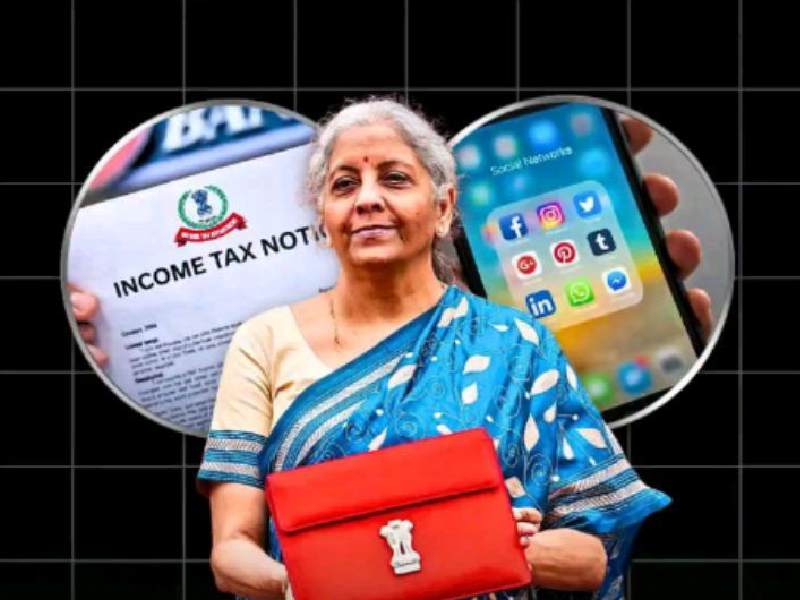
வருமான வரித்துறை அதிகாரிகள் உங்கள் Social Media மற்றும் Emails-ஐ அணுகலாம், முழு விவரம்!

Digital India & New Income Tax Rules – என்ன மாற்றம் வருகிறது?
India rapidly move ஆகி வரும் Digital Economy சூழலில், income, assets, investments எல்லாமே physical files-லிருந்து digital platforms-க்கு shift ஆகிவிட்டது. இதை கருத்தில் கொண்டு, April 1, 2026 முதல் அமலுக்கு வரும் Income Tax Act amendments, குறிப்பாக Section 132-க்கு தொடர்பான மாற்றங்கள், tax authorities-க்கு அதிக powers வழங்குகிறது.
இந்த புதிய விதிகளின் படி, authorised Income Tax officers, tax evasion என்ற சந்தேகம் ஏற்பட்டால், ஒருவரின் emails, social media accounts, cloud storage, online investment platforms, crypto wallets, and bank-linked digital accounts ஆகியவற்றை access செய்ய அனுமதி பெறுவார்கள். Earlier காலத்தில், search and seizure mostly physical documents, lockers, cash, or property வரை தான் இருந்தது. But now, digital footprint itself becomes a key evidence.
Government-ன் view-ல, இது tax compliance-ஐ improve செய்யும் ஒரு step. Especially high-value transactions, undeclared digital assets, and online financial activities track செய்ய இந்த change helpful ஆகும் என கூறப்படுகிறது. At the same time, common taxpayers-க்கும் இதன் impact என்ன என்பதையும் புரிந்துகொள்ள வேண்டியது முக்கியம்.
🔐 “Virtual Digital Space” – வரையறை & அதிகார வரம்பு
இந்த amendments-ல் அதிகமாக பேசப்படுவது “virtual digital space” என்ற term. இது ஒரு broad definition கொண்ட concept ஆக உள்ளது. Emails, messaging platforms, social media profiles, cloud drives, trading apps, crypto wallets, online banking dashboards – எல்லாமே இதற்குள் வரக்கூடும்.
Problem என்னவென்றால், இந்த definition மிகவும் wide ஆக இருப்பதாக legal experts சொல்கிறார்கள். Physical search போலவே, digital search-க்கும் “reason to believe” என்ற standard பயன்படுத்தப்படும். That means, officer-க்கு tax evasion suspicion இருந்தால், court approval இல்லாமலே digital access possible ஆகலாம்.
இதுதான் பலரிடமும் privacy concerns எழுவதற்குக் காரணம். Personal photos, private conversations, family-related emails, non-financial data கூட access ஆகும் வாய்ப்பு இருக்கிறது. Though intention tax-related information collect செய்வதுதான் என்றாலும், digital space-ல் personal and financial data overlap ஆகி இருப்பது practical reality.
Privacy vs Tax Enforcement – சட்ட ரீதியான கேள்விகள்
India-வில் privacy என்பது Supreme Court-ஆல் fundamental right ஆக already recognize செய்யப்பட்டிருக்கிறது. அந்த background-ல், இந்த new Income Tax powers constitutional balance-ஐ disturb செய்யுமா என்ற கேள்வி எழுகிறது. Legal experts குறிப்பது என்னவென்றால், “reason to believe” என்ற phrase subjective ஆக interpret செய்யப்படலாம்.
Clear safeguards இல்லாமல், misuse அல்லது overreach நடக்கும் அபாயம் இருக்கிறது. Digital access என்றால் data copy, storage, analysis எல்லாம் நடக்கும். அந்த data பாதுகாப்பு, misuse prevention, time-bound usage போன்ற விஷயங்களில் தெளிவான rules தேவை. Otherwise, honest taxpayers கூட unnecessary scrutiny face செய்யும் சூழல் உருவாகலாம்.
At the same time, government-ன் perspective-ல, tax evasion patterns change ஆகிவிட்டன. Offshore accounts, crypto assets, online businesses, influencer income போன்றவை digital trails மூலமே trace செய்ய முடியும். So, enforcement agencies modern tools தேவை என்பதும் ஒரு reality.
Common Taxpayers என்ன கவனிக்க வேண்டும்?
இந்த new rules அமலுக்கு வருவதற்கு இன்னும் time இருக்கிறது. But awareness இருக்குவது முக்கியம். Digital financial discipline maintain செய்வது இப்போதே அவசியம். Declared income, online investments, crypto holdings, side income – எல்லாமே properly reported ஆக இருக்க வேண்டும்.
Emails, cloud storage, and devices-ல் financial records mix ஆகி இருப்பவர்கள், organised documentation maintain செய்ய ஆரம்பிக்கலாம். Panic ஆக வேண்டிய அவசியம் இல்லை, because law-abiding taxpayers-க்கு direct impact இருக்காது என்பதே official stance. Still, digital age-ல் transparency and compliance முக்கியமான pillars ஆக மாறுகிறது.
Ultimately, இந்த change ஒரு larger debate-ஐ open செய்கிறது – how to balance tax enforcement with individual privacy? Coming years-ல், clear guidelines, accountability mechanisms, and legal clarity இந்த law-வின் success-ஐ decide செய்யும். Digital India-வில், tax system-மும் digital-ஆக evolve ஆகிறது என்பதே takeaway.

Summary In English
India’s new Income Tax rules effective from April 1, 2026 expand digital access powers of tax authorities.
Officials may access emails, social media, and online financial platforms if tax evasion is suspected.
The move raises privacy and constitutional concerns due to broad definitions and limited safeguards.
Experts stress the need for balance between effective tax enforcement and individual digital privacy.